Specializing in the production of various stainless steel pipes, plates, coils, rods, pipe fittings, high nickel alloy steel products, high temperature resistant products

Categories
Products

ASTM A588 steel includes Class A, Class B, Class C, and Class K. The ASTM A588 steel specification is based on the standard specification for high-strength low-alloy structural steel with a lower yield point of up to 50ksi for applications requiring high strength and corrosion resistance.

ASTM A573/A573M grades are divided into 58, 65 and 70. Steel plates are suitable for structural carbon-manganese-silicon steel plates with three tensile strength ranges. ASTM A573/A573M steel plates are mainly used for important purposes of improving notch toughness at room temperature.

A572/S355JR Carbon Steel Plate
A572 grades are divided into: 42, 50, 60, 65. The steel plate is light in weight, but has good strength, ductility and workability, making it an ideal choice for structural applications. These characteristics make the A572 relatively simple to shape into different structures, while maintaining the ability to withstand large stresses and loads.


ASTM A283 is a carbon steel plate used for general structural purposes. The steel has low and medium tensile strength. The ASTM A283 steel specification covers four structural quality grades of mild steel, grades A, B, C, and D, for general application.

A36/Q235/S235JR Carbon Steel Plate
A36 is a low-carbon steel containing trace amounts of manganese, phosphorus, sulfur, silicon and other elements such as copper. A36 has good weldability and high yield strength, and is the structural steel plate specified by the engineer. ASTM A36 steel plate is often manufactured into a variety of structural steel parts. This grade is used for welded, bolted or riveted construction of bridges and buildings, as well as for general structural purposes. Due to its low yield point, A36 carbon plate can be used to design lighter weight structures and equipment, and provide good weldability. Construction, energy, heavy equipment, transportation, infrastructure and mining are the industries where A36 panels are commonly used.
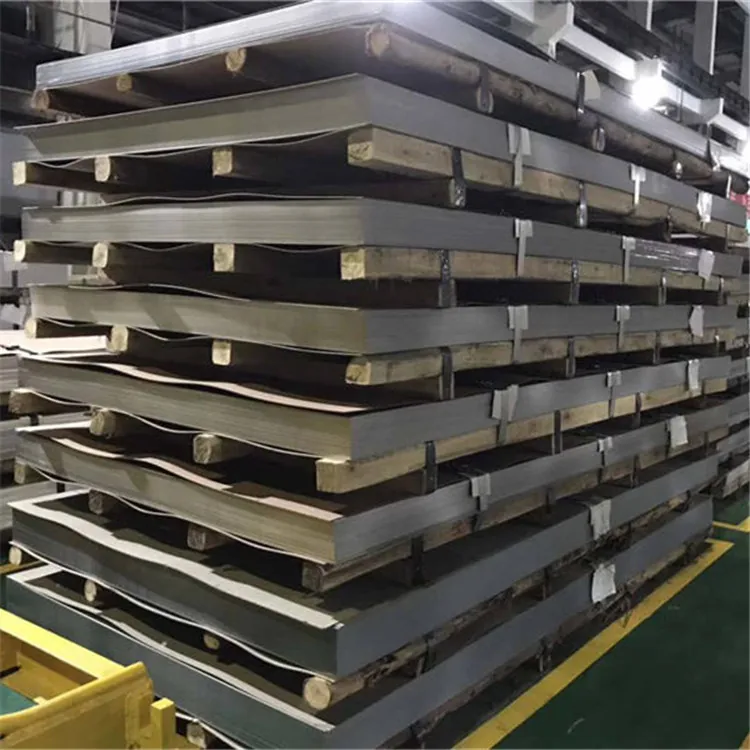
ASTM A633 steel includes four grades: A, C, D, and E, of which the thickness of grade C can reach 4 inches and the thickness of grade E can reach 6 inches. ASTM A633 steel specification is based on the standard specification for standardized high-strength low-alloy structural steel plate, which requires high notch toughness under low temperature conditions.
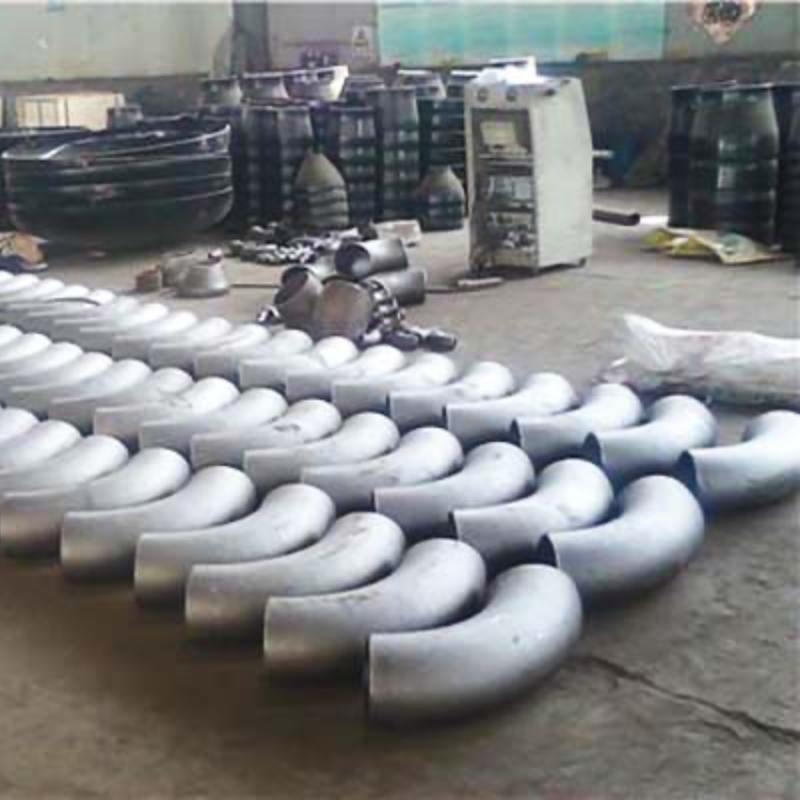
Pipe fittings that change the direction of the pipeline
The main difference between stainless steel elbows and carbon steel elbows is the material. The chemical composition contained in them will keep the surface of the elbow from rusting and corroding for a long time.
In the pipeline system, elbows are pipe fittings that change the direction of the pipeline. According to the angle, there are three most commonly used ones: 45°, 90°, and 180°. In addition, according to the needs of the project, there are also other abnormal angle elbows such as 60°.
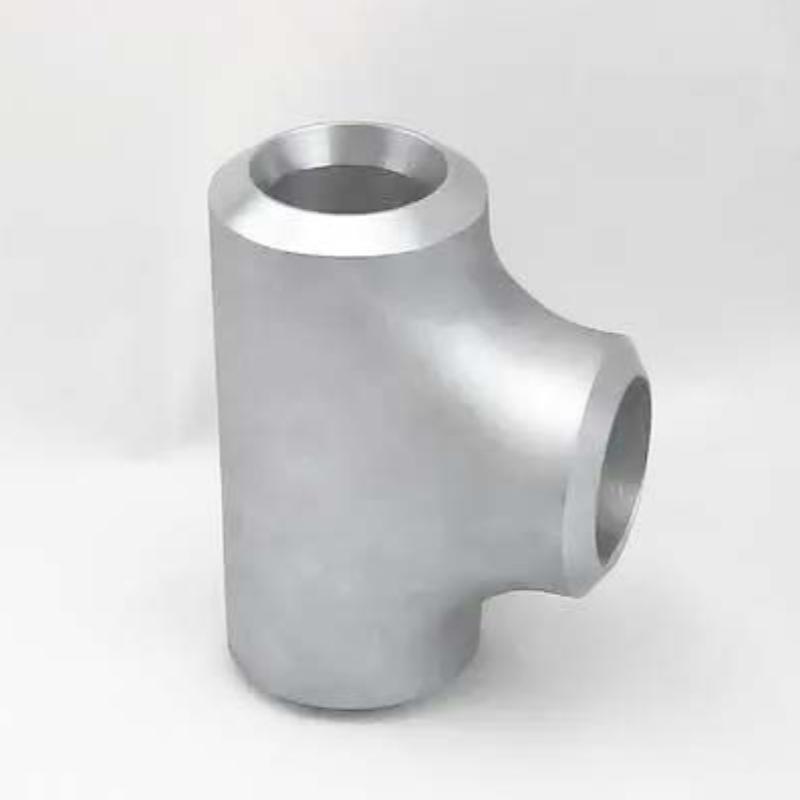
Stainless steel tees are pipe fittings and pipe connectors. They are used at the branch pipes of the main pipe. Stainless steel tees are divided into equal diameter and different diameter. The ends of the pipes of equal diameter tees are all the same size; the main pipe of different diameter tees has the same size, while the pipe size of the branch pipe is smaller than that of the main pipe.
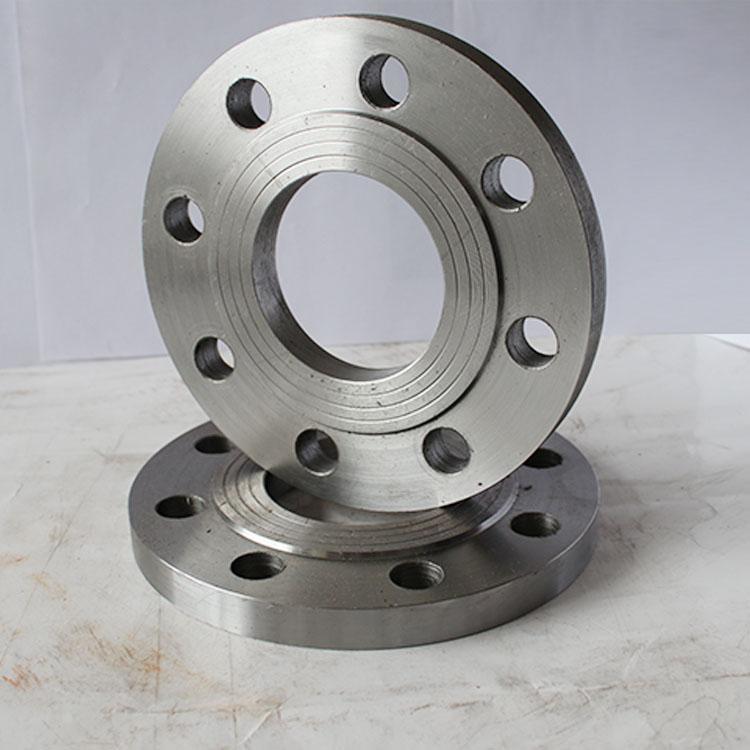
Stainless steel flange is a common component for connecting pipes, which is widely used in chemical, petroleum, pharmaceutical, food and other fields. It can connect two pipes and play a sealing role. Stainless steel flange has the characteristics of simple construction, easy use and reliable sealing, so it is widely used in various industrial fields.
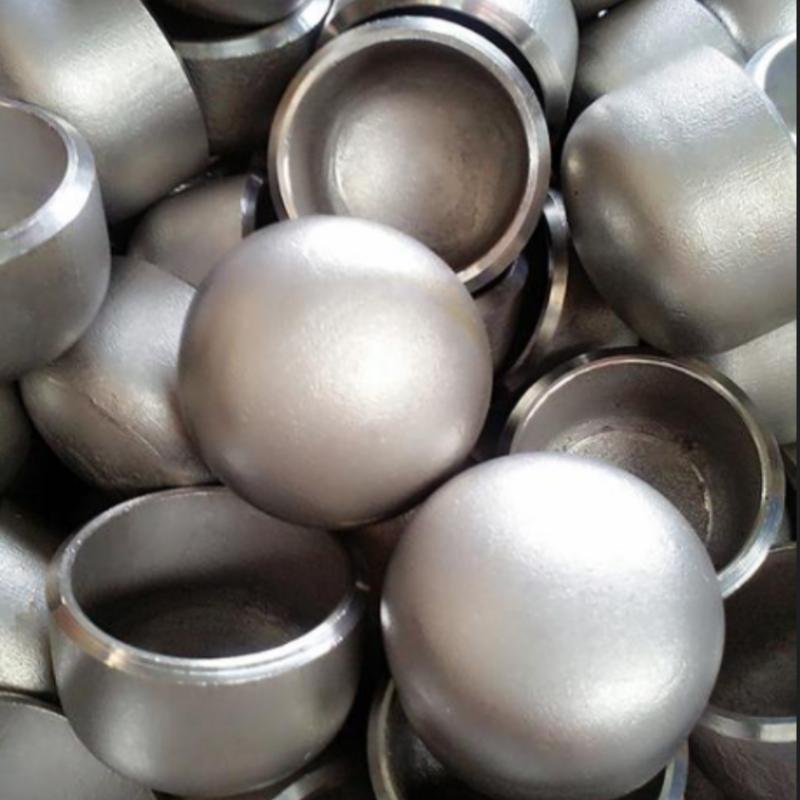
Stainless steel pipe caps are also called plugs or caps.
Purpose: Pipe fittings welded to the end of a pipe or installed on the external threads of the pipe end to cover the pipe. Used to close the pipeline, the function is the same as the plug.
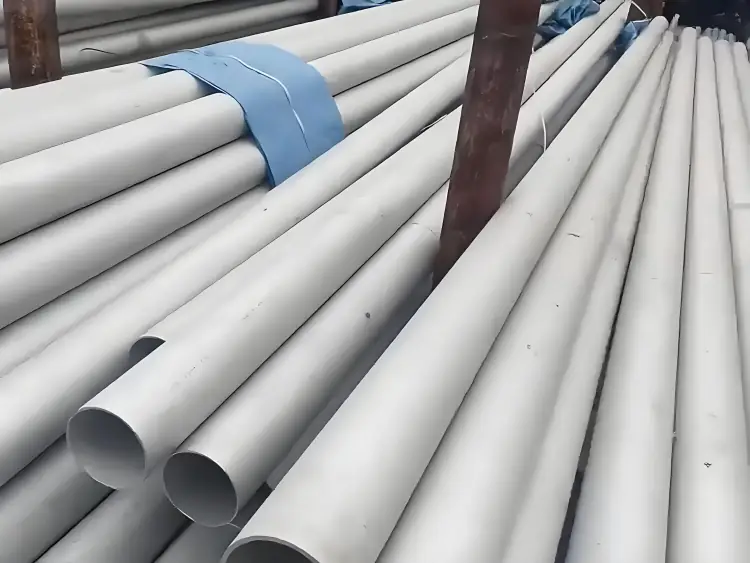
Carbon steel round seamless pipe
Carbon steel pipes are pipes made of carbon steel. They are one of the most commonly used metal materials and have good mechanical properties, processing properties and corrosion resistance. According to the production method, it can be divided into two types: seamless steel pipe and welded steel pipe.
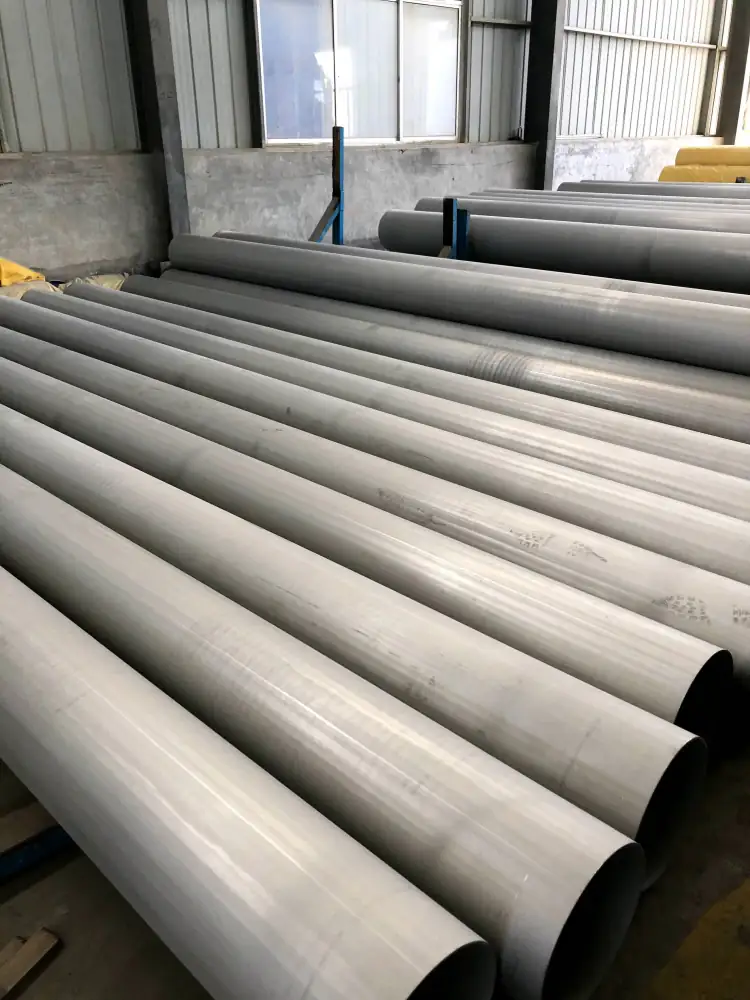
Carbon steel round welded pipe
Carbon steel pipes are pipes made of carbon steel. They are one of the most commonly used metal materials and have good mechanical properties, processing properties and corrosion resistance. According to the production method, it can be divided into two types: seamless steel pipe and welded steel pipe.
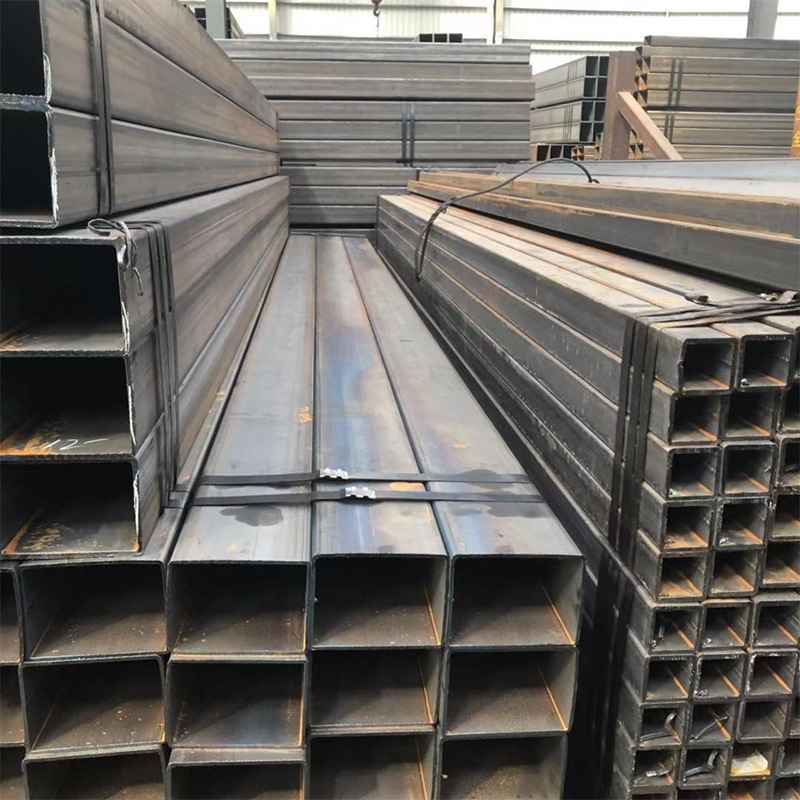
Carbon steel square seamless pipe
Carbon steel pipes are pipes made of carbon steel. They are one of the most commonly used metal materials and have good mechanical properties, processing properties and corrosion resistance. According to the production method, it can be divided into two types: seamless steel pipe and welded steel pipe.
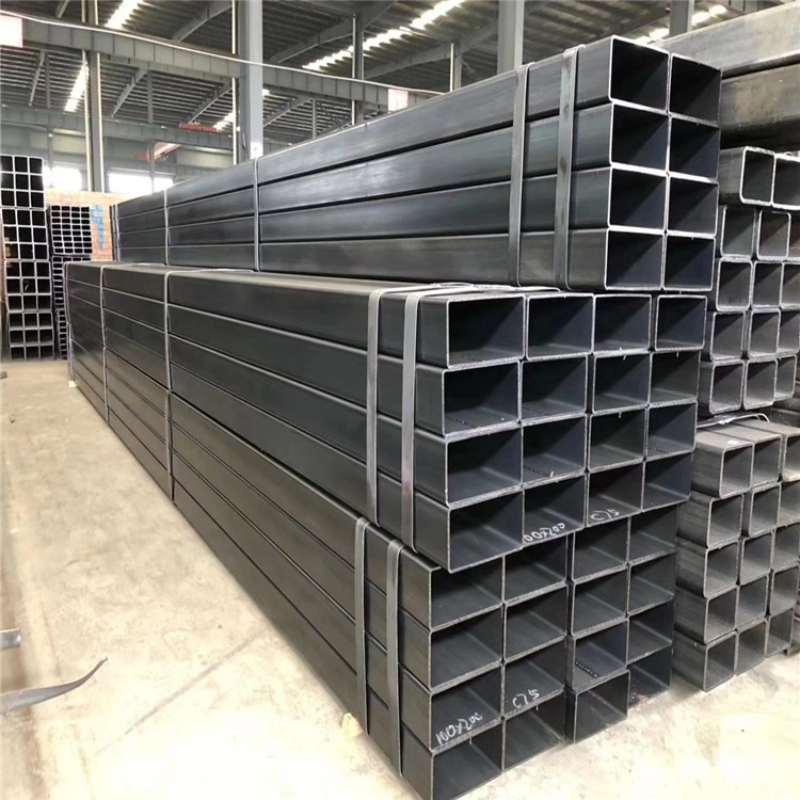
Carbon steel square welded pipe
Carbon steel pipes are pipes made of carbon steel. They are one of the most commonly used metal materials and have good mechanical properties, processing properties and corrosion resistance. According to the production method, it can be divided into two types: seamless steel pipe and welded steel pipe.
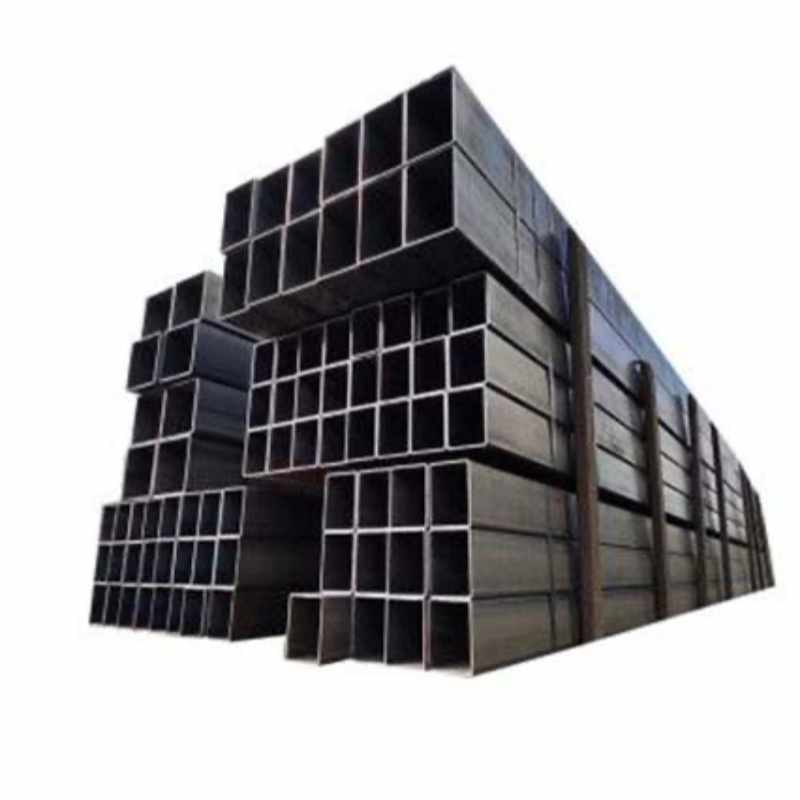
Black square tube is a type of pipe, usually made of materials such as carbon steel, stainless steel, or scrap metal. Its shape is square or rectangular, hence its name. Black square tubes have good compressive performance, bending resistance, tensile resistance, and wear resistance, and are widely used in fields such as construction, transportation, and agriculture.
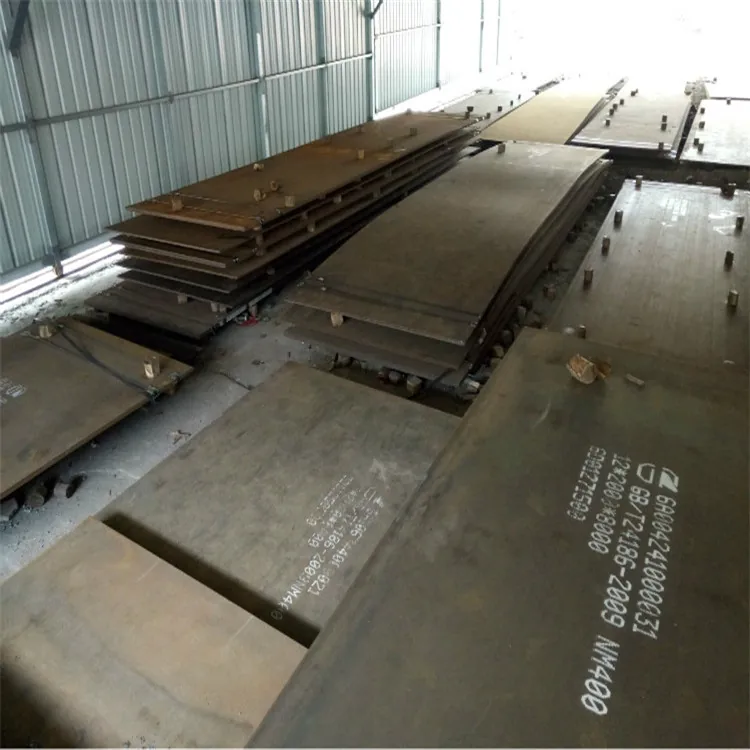
Wear-resistant plate is a material with excellent wear resistance and is commonly used in components and equipment that require wear resistance in various industrial fields. It can effectively extend the service life of equipment, reduce the frequency of maintenance and replacement, and improve production efficiency.
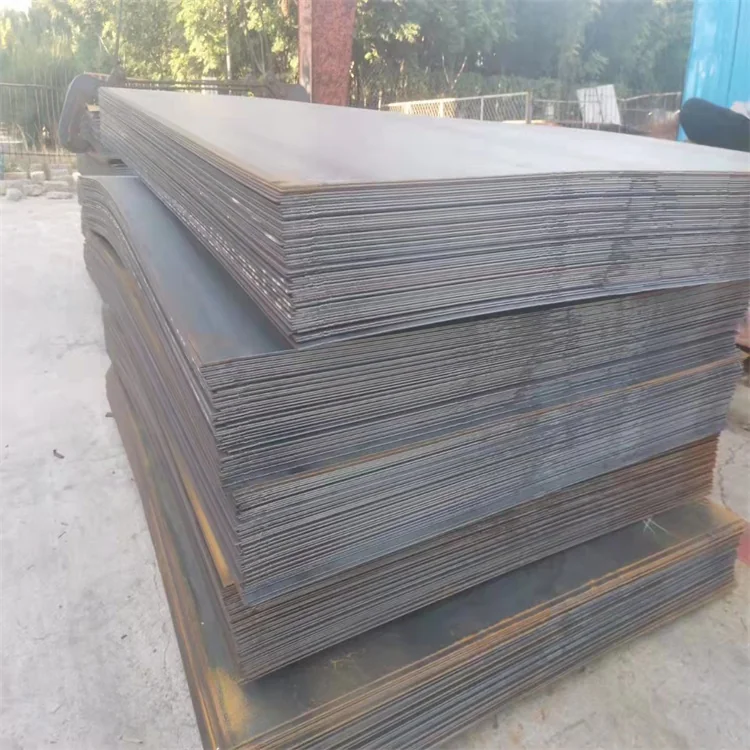
Weathering board, also known as steel plastic composite board, is a composite material composed of plastic and carbon steel plates. Its main characteristics are strong weather resistance, resistance to harsh weather environments, and good heat and corrosion resistance. It is widely used in construction, automotive, electrical, and other industries due to its ability to resist the effects of ultraviolet radiation, humidity changes, and other environmental factors.


Request Quote
We will contact you within one working day. Please pay attention to your email.