Specializing in the production of various stainless steel pipes, plates, coils, rods, pipe fittings, high nickel alloy steel products, high temperature resistant products

Categories
Steel Round Bar

305 stainless steel is an austenitic chromium-nickel stainless steel with a low work hardening rate. This low work hardening rate makes it suitable for many deep drawing applications. In order to minimize the earrings during the drawing process, the directionality introduced during the cold rolling process must be kept to a minimum.

303 grade stainless steel is also called 1.4305 stainless steel, and 303 grade is the easiest to process of all austenitic stainless steels. The machinability properties of the 303 grade are due to the presence of sulfur in the steel elements. Sulfur can improve machining, but it also reduces corrosion resistance and toughness. The corrosion resistance of the 303 type is lower than that of the 304 type, but the toughness is still as excellent as other austenitic grades.

302 stainless steel is a variant of 18% chromium and 8% nickel austenitic stainless steel. This alloy is the most common and frequently used alloy in the stainless steel family. 302 are slightly higher carbon versions of the 304, usually in the form of ribbons and wires. It is a tough, tough grade, has considerable corrosion resistance, is non-magnetic, and cannot be hardened by heat treatment. 302 are typically used in their annealed state and have a high degree of ease of manufacture and formability.
Type 201 stainless steel is an austenitic chromium-nickel-manganese stainless steel, which is developed to save nickel. Type 201 is a low-cost alternative to traditional Cr-Ni stainless steels such as 301 and 304. The nickel is replaced by added manganese and nitrogen. It cannot be hardened by heat treatment, but can reach high tensile strength by cold working. Type 201 is essentially non-magnetic in the annealed condition and becomes magnetic upon cold working. In many applications, the 201 type may replace the 301 type.

2507 Duplex Stainless Steel Bar
2507(UNS S32750) is an ultra-duplex stainless steel containing 25% chromium, 4% molybdenum and 7% nickel. It is designed for demanding applications that require excellent strength and corrosion resistance, such as chemical processes, petrochemicals and seawater equipment. The steel has excellent resistance to chloride stress corrosion cracking, high thermal conductivity and low coefficient of thermal expansion. High chromium, molybdenum and nickel levels provide excellent resistance to pitting, crevice corrosion and general corrosion.

2205 Duplex Stainless Steel Bar
Duplex 2205 is a two-phase, ferritic, austenitic, 22% chromium, 3% molybdenum, 5% to 6% nickel alloy stainless steel. It is the most widely used duplex stainless steel grade and is characterized by high yield strength, which is twice that of standard austenitic stainless steel grades. It also exhibits good fatigue strength and excellent resistance to stress corrosion, cracking, pitting, erosion and general corrosion in harsh environments.

440C grade stainless steel is a kind of high carbon martensitic stainless steel. High strength, medium corrosion resistance, good hardness and wear resistance. Grade 440C achieves the highest strength, hardness and wear resistance of any stainless steel alloy after heat treatment. Its extremely high carbon content is the reason for these characteristics, which makes the 440C particularly suitable for applications such as ball bearings and valve parts.

309 and 309S are austenitic chromium-nickel stainless steels that are typically used for higher temperature applications. Due to its high chromium and nickel content, 309 and 309S alloys have a high degree of corrosion resistance, excellent oxidation resistance and excellent heat resistance, while providing good strength at room temperature and high temperature. The only significant difference between 309 and 309S is the carbon content. The 309S alloy has less carbon, which minimizes carbide precipitation and improves weldability.

316L stainless steel is an austenitic stainless steel metal alloy that contains nickel and molybdenum, making it corrosion resistant. 316L is a 316 low carbon grade. This grade is not affected by sensitization (grain boundary carbide precipitation). It is often used for large-gauge welded parts (approximately over 6mm). 316L stainless steel has higher creep, fracture stress and tensile strength than chromium nickel austenitic stainless steel at high temperature.

Grade 316 stainless steel is an austenitic form of stainless steel with a molybdenum content of 2-3%. The addition of molybdenum makes the metal more resistant to pitting and corrosion and improves its resistance to exposure to high temperatures. This grade of stainless steel is particularly effective when used in acidic environments. With this metal, corrosion caused by acetic acid, hydrochloric acid and other forms of acid can be prevented.

304 stainless steel is a kind of universal stainless steel material, rust resistance than 200 series of stainless steel material is stronger. High temperature resistance is also better, can be as high as 1000-1200 degrees. 304 stainless steel has excellent corrosion resistance and good intergranular corrosion resistance. For oxidizing acids, it is concluded in the experiment that 304 stainless steel has strong corrosion resistance in nitric acid with a concentration of less than or equal to 65% of the boiling temperature. It also has good corrosion resistance to alkali solution and most organic and inorganic acids.

304L is one of the austenitic stainless steels with a chromium content of at least 18%, a nickel content of at least 8%, and a maximum carbon content of 0.03. 304L stainless steel is an ideal choice for various household and commercial applications, with excellent corrosion resistance, ease of manufacturing and excellent formability. Austenitic stainless steels are also considered to be the easiest to weld among high alloy steels and can be welded by all fusion and resistance welding processes.
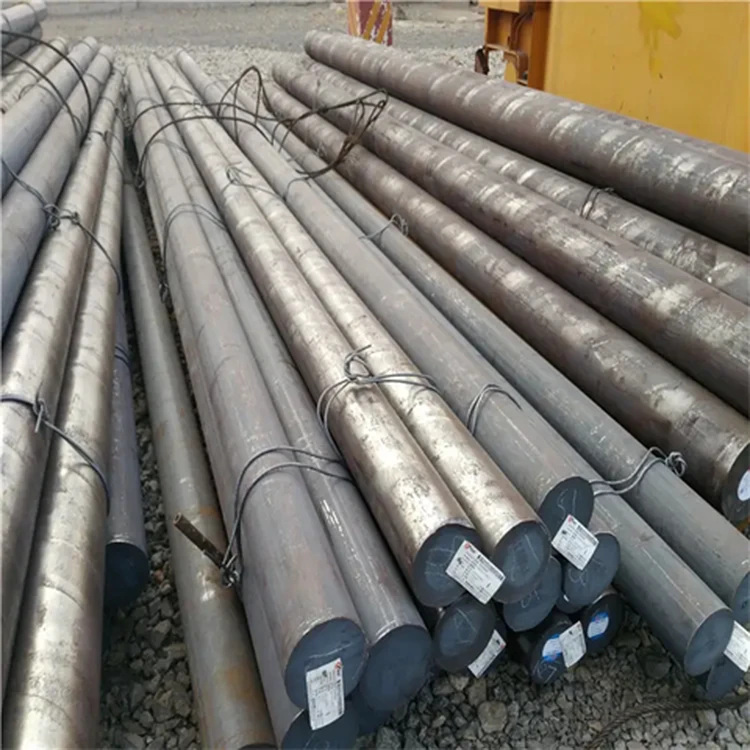
AISI/SAE 4340 Carbon Steel Bar
AISI 4340 alloy steel is a heat treatable low alloy steel containing chromium, nickel and molybdenum. It has high toughness and high strength under heat treatment conditions.
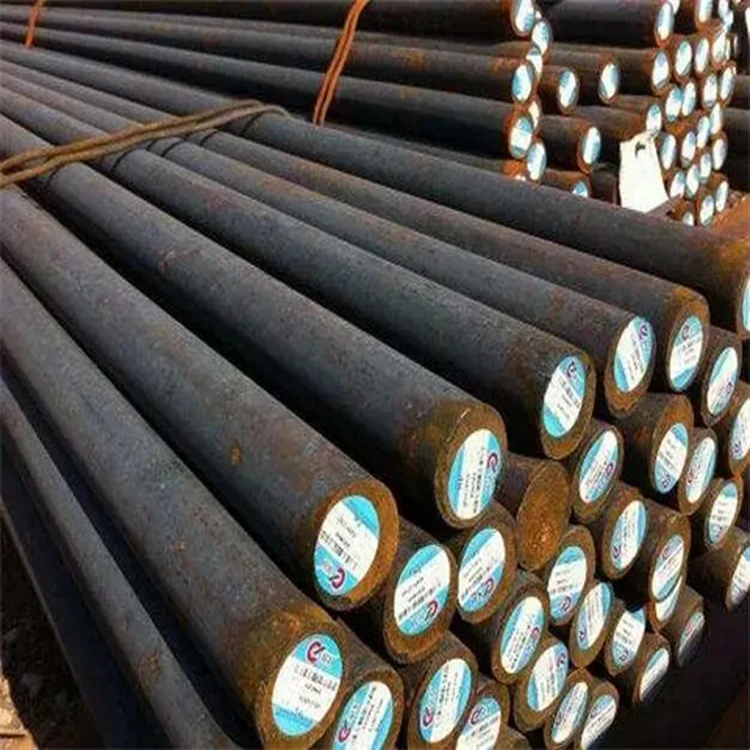
AISI/SAE 4140 Carbon Steel Bar
4140 is a 1% chromium-molybdenum medium hardenability general-purpose high-strength steel, usually hardened and tempered in the tensile range of 850-1000 Mpa (condition T). 4140 now have improved machinability, which greatly increases feed and/or speed, while extending tool life without affecting mechanical properties. The prehardening and tempering 4140 can be further case hardened by flame or induction hardening and nitriding.
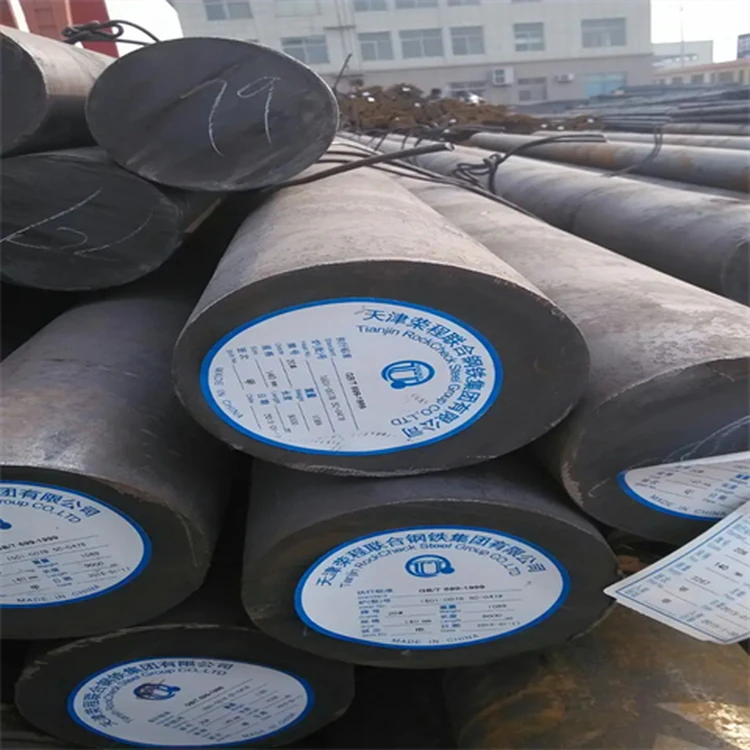
AISI/SAE 4130 Carbon Steel Bar
4130 cold-rolled round bars provide some recognized weldability without affecting the wear and impact resistance of the steel, carbon steel 4130 bars also have excellent machining properties and can be heat treated. At the same time, it has high tensile strength and high yield strength.
AISI/SAE 1045 C45 Carbon Steel Bar
1045 is characterized by medium carbon, medium tensile strength steel, which has quite good strength, machinability and reasonable weldability under hot-rolled conditions. 1045 round steel can be provided with hot rolling, cold drawing, rough turning or turning and polishing. By cold-drawing the 1045 steel bar, the mechanical properties can be improved, the dimensional tolerance can be improved, and the surface quality can be improved.
AISI/SAE 1025 Carbon Steel Bar
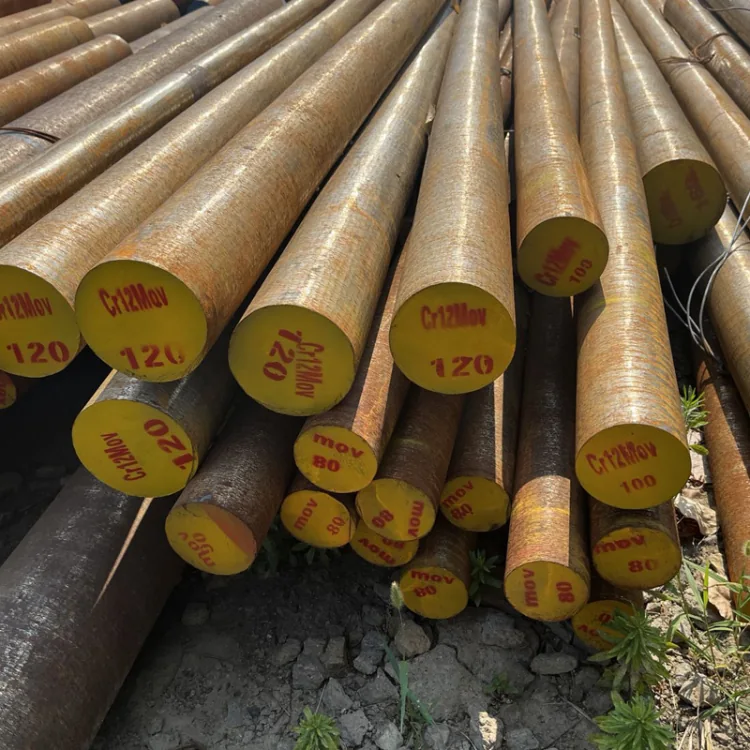
1025 carbon steel is a steel that contains only carbon as its main alloying element. These steels also contain 0.4 percent silicon and 1.2 percent manganese. Small amounts of copper, nickel, molybdenum, aluminum and chromium can also be detected in carbon steel.
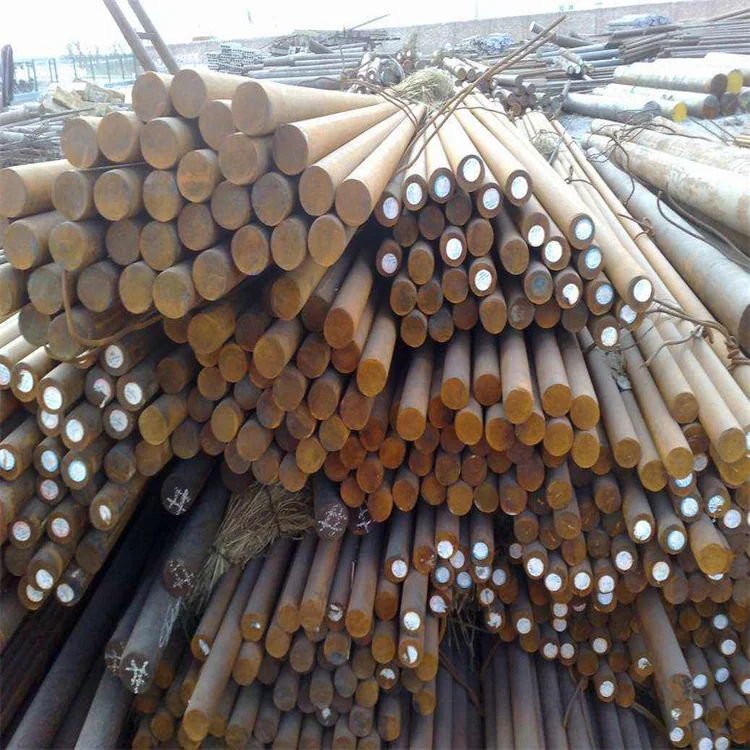
A36 is a low-carbon steel containing trace amounts of manganese, phosphorus, sulfur, silicon and other elements such as copper. A36 has good weldability and high yield strength, and is the most specified structural steel plate by engineers. ASTM A36 is most commonly manufactured as a variety of structural steel parts. This grade is used for welded, bolted or riveted construction of bridges and buildings, as well as for general structural purposes. Due to its lowest yield point, A36 can be used to design lighter-weight structures and equipment, and provide good weldability.


Request Quote
We will contact you within one working day. Please pay attention to your email.