Specializing in the production of various stainless steel pipes, plates, coils, rods, pipe fittings, high nickel alloy steel products, high temperature resistant products

Categories
Products
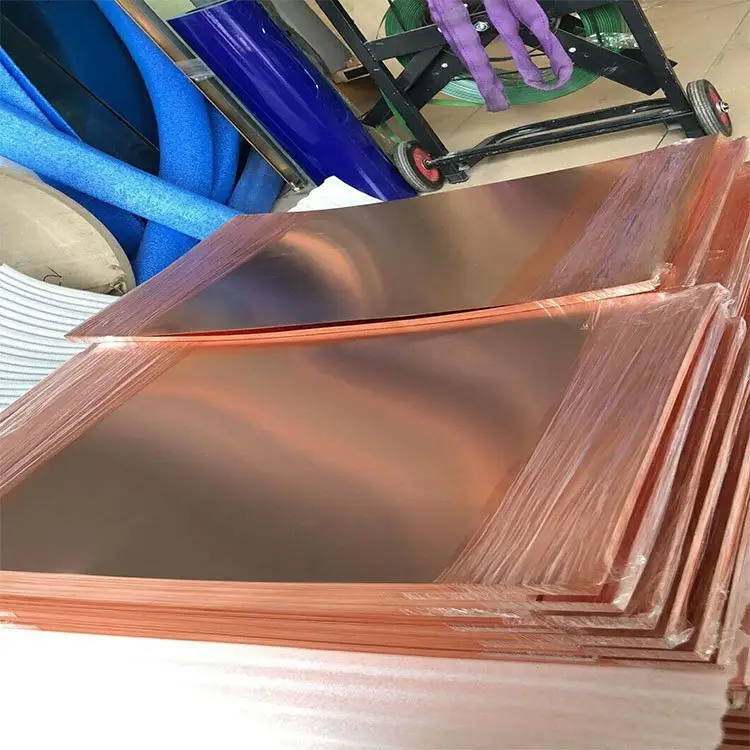
C12000 welding performance and cold bending performance is good, generally no "hydrogen disease" tendency, can be processed in the reducing atmosphere, use, but not in the oxidizing atmosphere of processing, use, mainly to pipe applications, can also be plate, belt or bar, line supply. Used as gasoline or gas transmission pipe, drain pipe, condenser pipe, mine pipe, condenser, evaporator, heat exchanger, train parts.
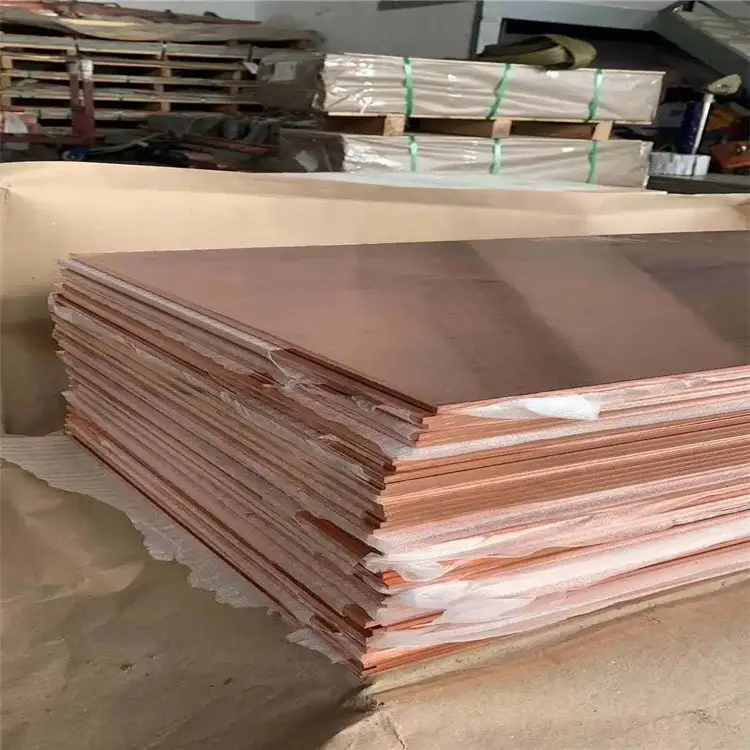
C12000/TP1 has good welding performance and cold bending performance, generally has no "hydrogen disease" tendency, can be processed and used in reducing atmosphere, but should not be processed and used in oxidizing atmosphere, mainly for pipe application, but also for plate, belt or bar and line supply. Used as gasoline or gas transmission pipe, drain pipe, condenser pipe, mine pipe, condenser, evaporator, heat exchanger, train parts.
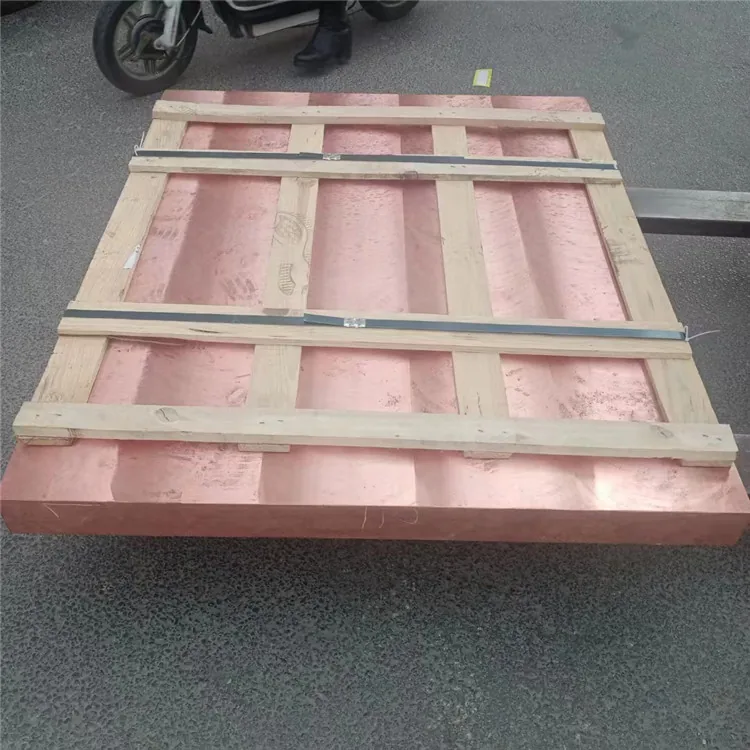
C10200/TU1 is a high-purity, oxygen-free, phosphorus-free deoxidized copper in vacuum without evaporating elements. It has high electrical and thermal conductivity, good welding performance and excellent welding performance attributes. It has excellent hot and cold forming properties, and has good compression resistance and corrosion resistance, especially in the atmosphere, due to the good adhesion of the oxide layer.
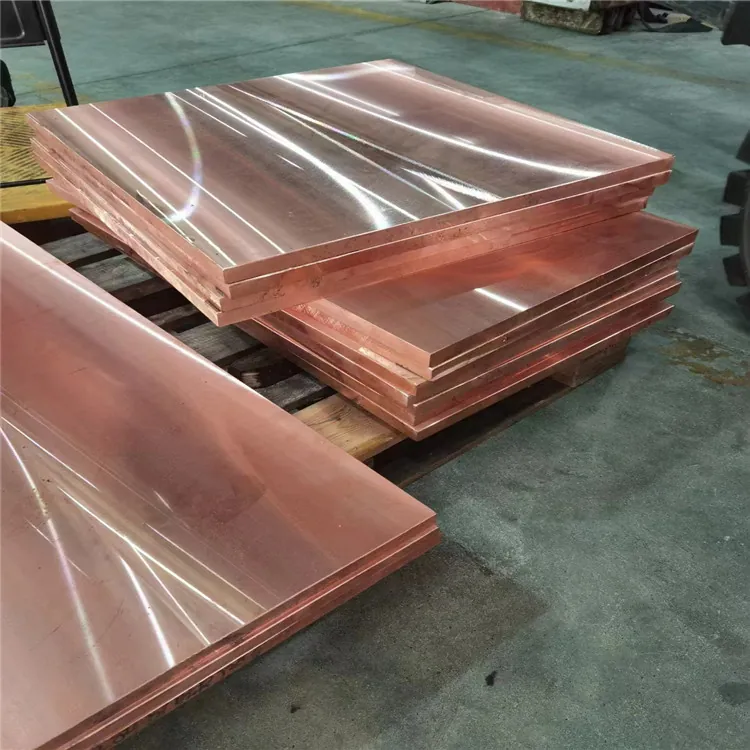
C10200/TU1 is a high-purity, oxygen-free, phosphorus-free deoxidized copper in vacuum without evaporating elements. It has high electrical and thermal conductivity, good welding performance and excellent welding performance attributes. It has excellent hot and cold forming properties, and has good compression resistance and corrosion resistance, especially in the atmosphere, due to the good adhesion of the oxide layer.
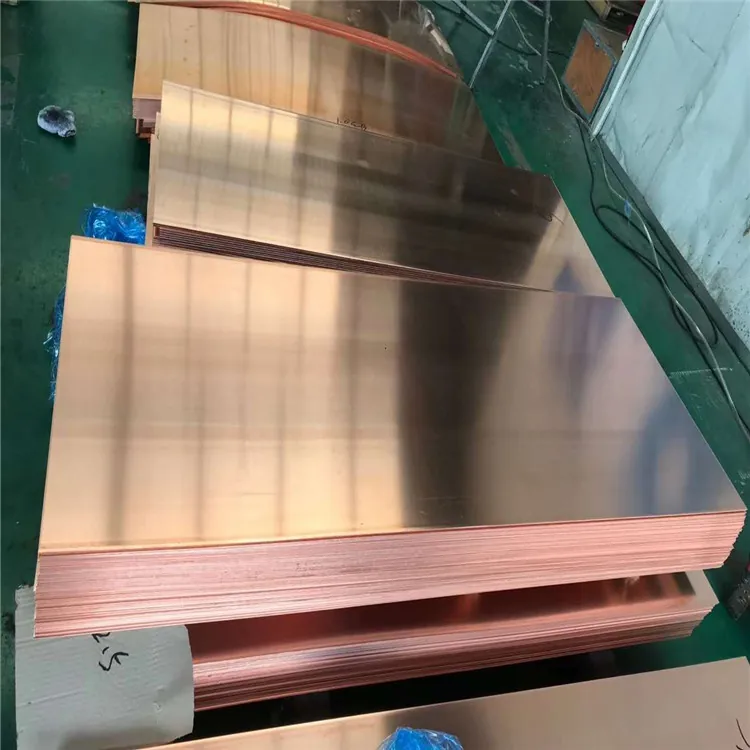
C11000/T2 is pure copper, also known as copper, copper has good electrical conductivity, thermal conductivity, corrosion resistance and processing performance, can be welded and brazed. Contains less impurities to reduce electrical conductivity, thermal conductivity, trace oxygen has little effect on electrical conductivity, thermal conductivity and processing properties, but it is easy to cause "hydrogen disease". It is not suitable for processing (annealing, welding, etc.) and use in a reducing atmosphere at high temperature (such as> 370 ℃).
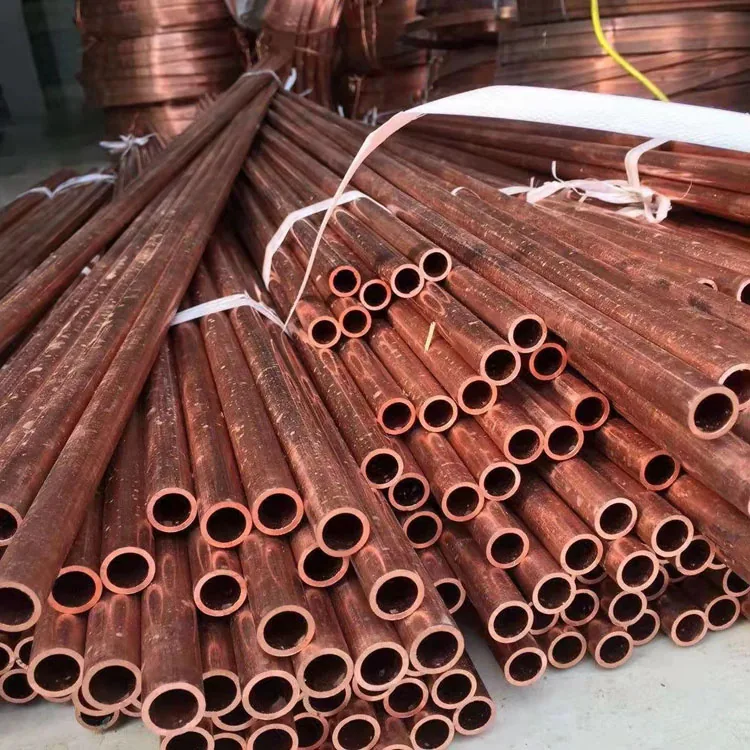
C24000/H80 ordinary brass, high strength, good plasticity, high corrosion resistance, used as thin-walled tube, corrugated tube paper mesh and housing construction supplies.
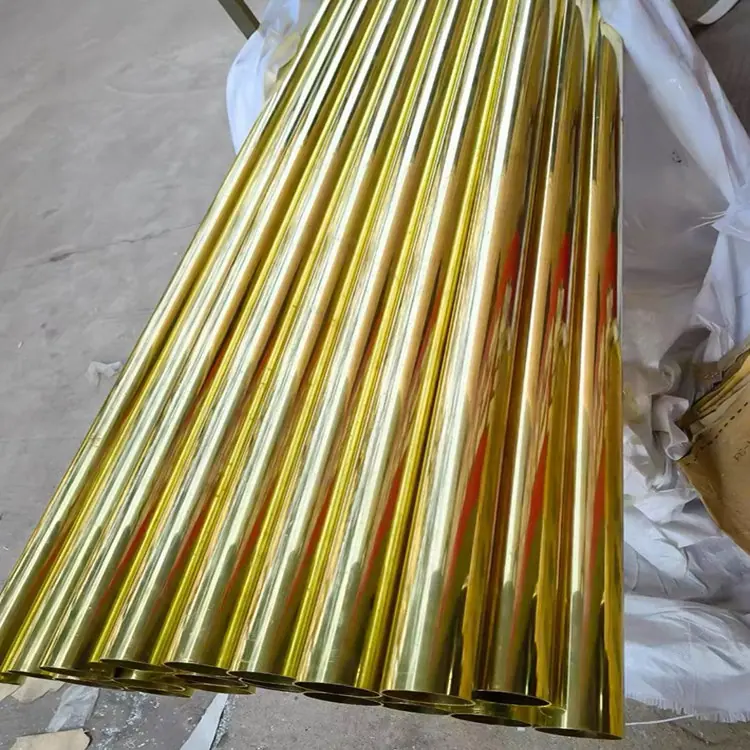
C24000/H80 ordinary brass, high strength, good plasticity, high corrosion resistance, used as thin-walled tube, corrugated tube paper mesh and housing construction supplies.
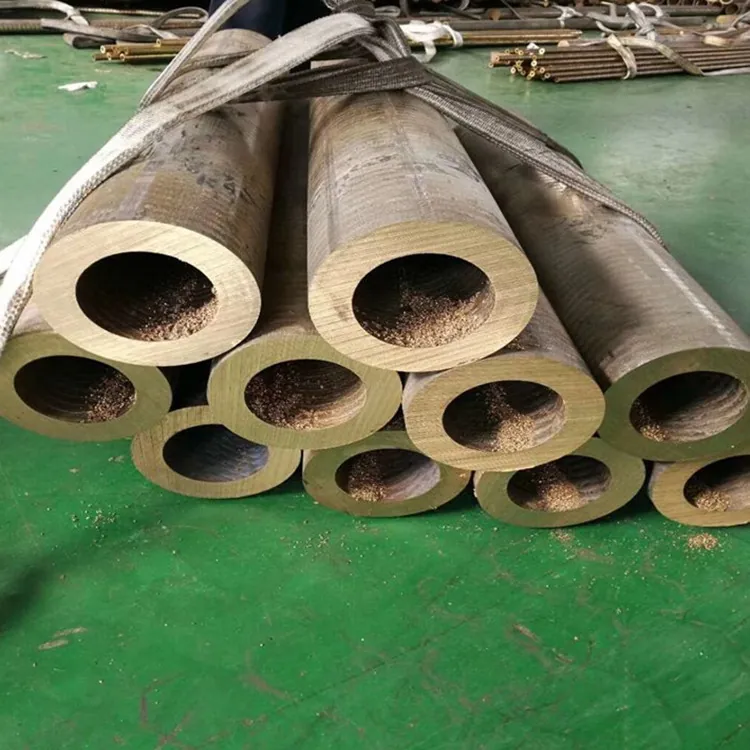
C23000/H85 copper alloy is an irreplaceable strategic metal material in aviation, aerospace, military, electronics, nuclear energy and other fields. The copper alloy with good processing performance and excellent performance has the advantages of good thermal conductivity, electrical conductivity, heat resistance, wear resistance, corrosion resistance, non-magnetism, small elastic hysteresis, and no sparks during impact. It is widely used in national defense, instrumentation, Instruments, computers, automobiles, home appliances and other industries.
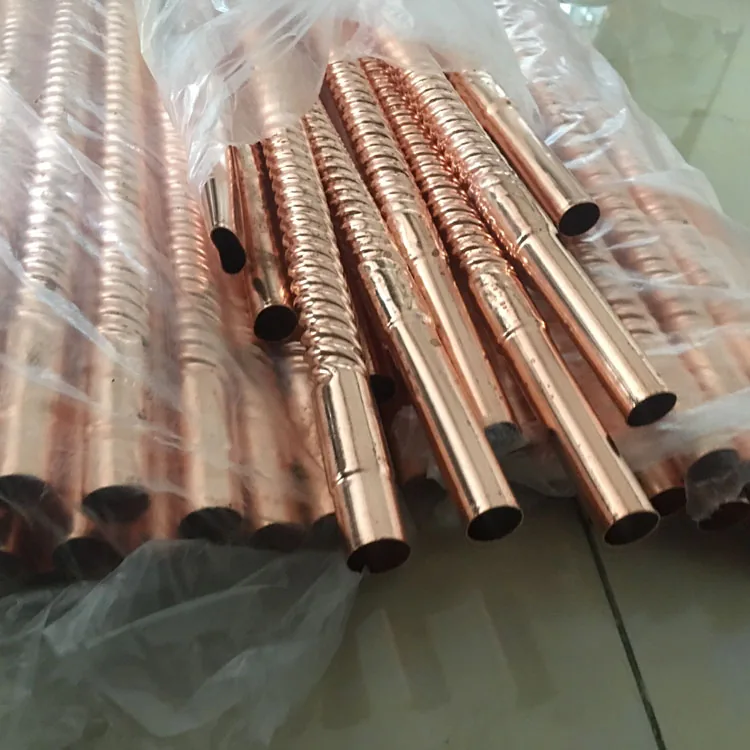
General brass has good mechanical properties, good plasticity in hot state and plasticity in cold state. It has good machinability, easy brazing and welding, corrosion resistance, but it is prone to corrosion break. In addition, the price is cheap and is widely used as a general brass variety.
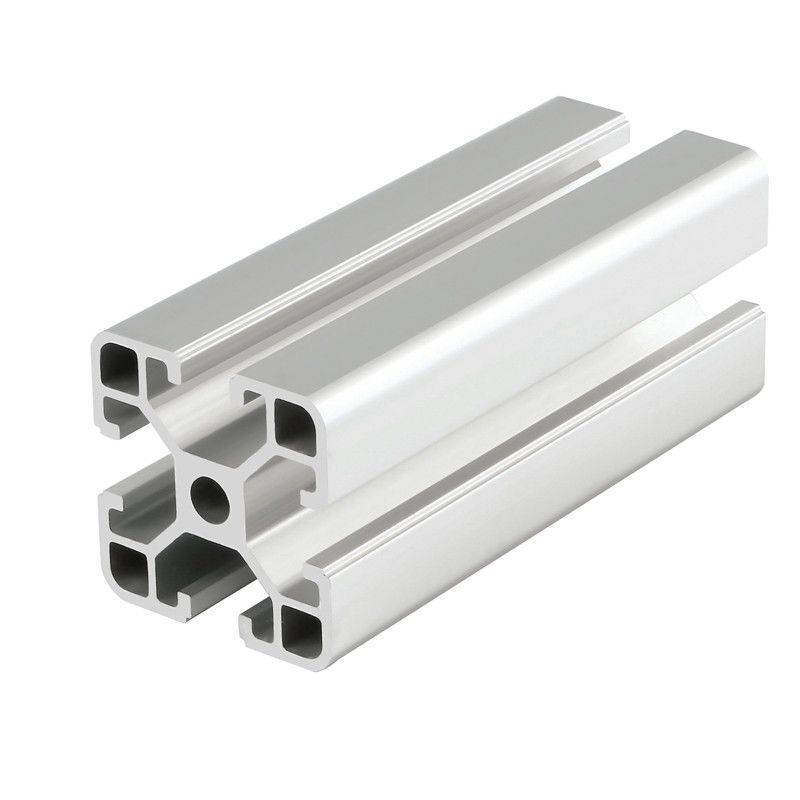
Aluminum profile is a structural material made of aluminum alloy as the main raw material. It is the most widely used non-ferrous metal structural material in industry. Aluminum profiles have many advantages, such as high strength, light weight, good corrosion resistance, electrical and thermal conductivity. They are usually made through processes such as extrusion molding, and come in a variety of cross-sectional shapes, including solid, hollow and composite types.
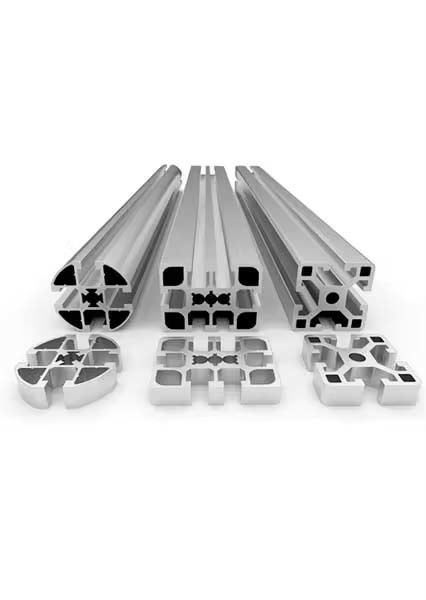
Aluminum profile is a structural material made of aluminum alloy as the main raw material. It is the most widely used non-ferrous metal structural material in industry. Aluminum profiles have many advantages, such as high strength, light weight, good corrosion resistance, electrical and thermal conductivity. They are usually made through processes such as extrusion molding, and come in a variety of cross-sectional shapes, including solid, hollow and composite types.
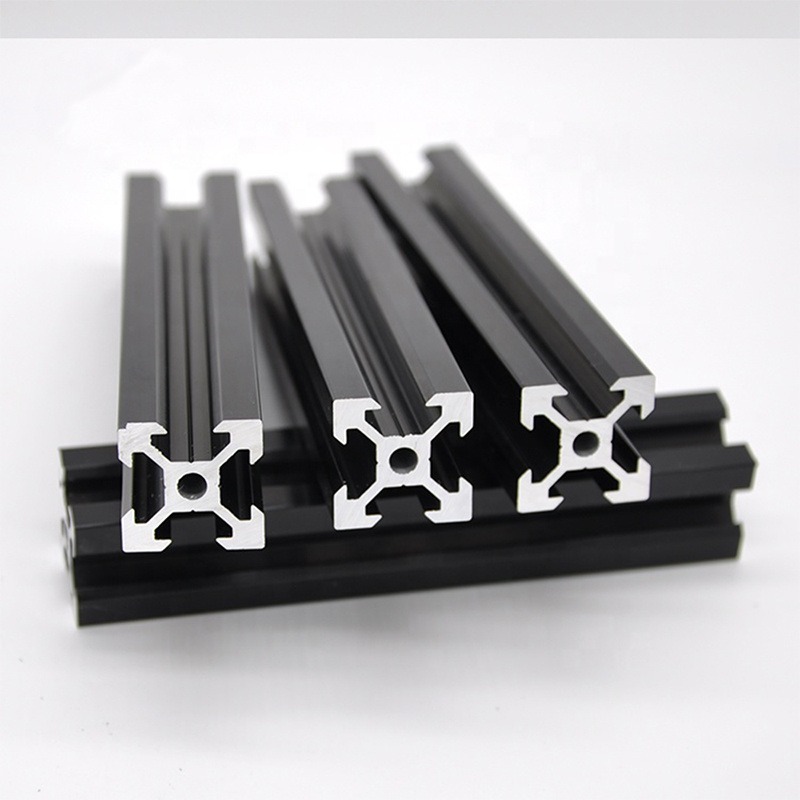
Aluminum profile is a structural material made of aluminum alloy as the main raw material. It is the most widely used non-ferrous metal structural material in industry. Aluminum profiles have many advantages, such as high strength, light weight, good corrosion resistance, electrical and thermal conductivity. They are usually made through processes such as extrusion molding, and come in a variety of cross-sectional shapes, including solid, hollow and composite types.
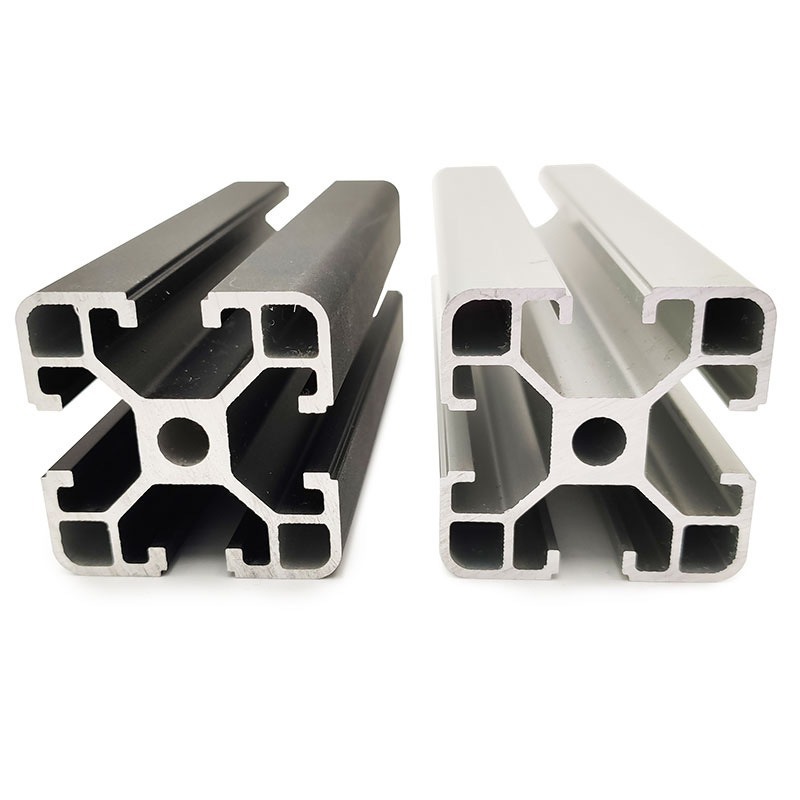
Aluminum profile is a structural material made of aluminum alloy as the main raw material. It is the most widely used non-ferrous metal structural material in industry. Aluminum profiles have many advantages, such as high strength, light weight, good corrosion resistance, electrical and thermal conductivity. They are usually made through processes such as extrusion molding, and come in a variety of cross-sectional shapes, including solid, hollow and composite types.
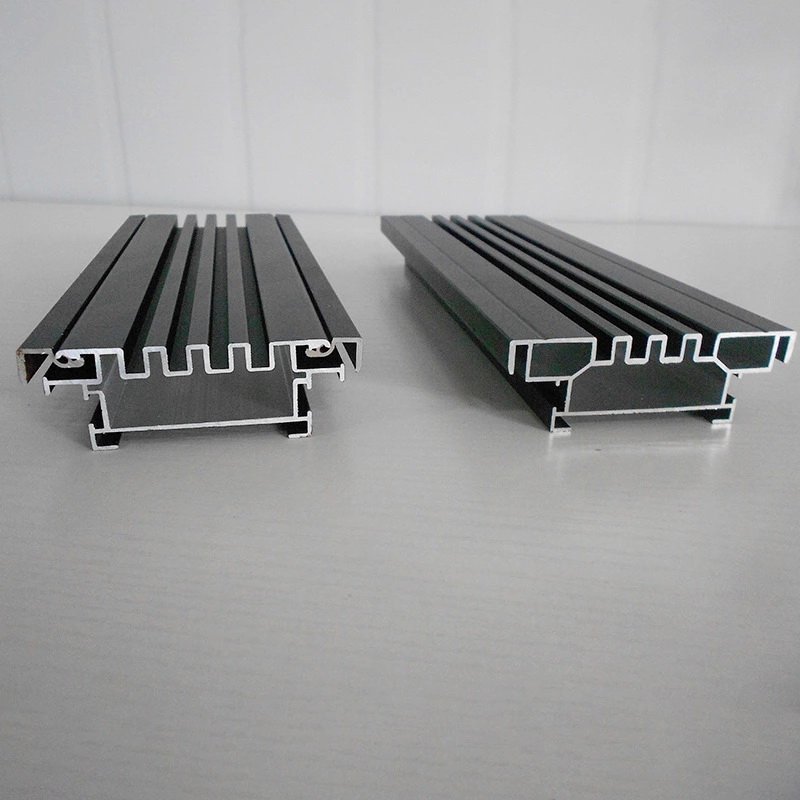
Aluminum profile is a structural material made of aluminum alloy as the main raw material. It is the most widely used non-ferrous metal structural material in industry. Aluminum profiles have many advantages, such as high strength, light weight, good corrosion resistance, electrical and thermal conductivity. They are usually made through processes such as extrusion molding, and come in a variety of cross-sectional shapes, including solid, hollow and composite types.
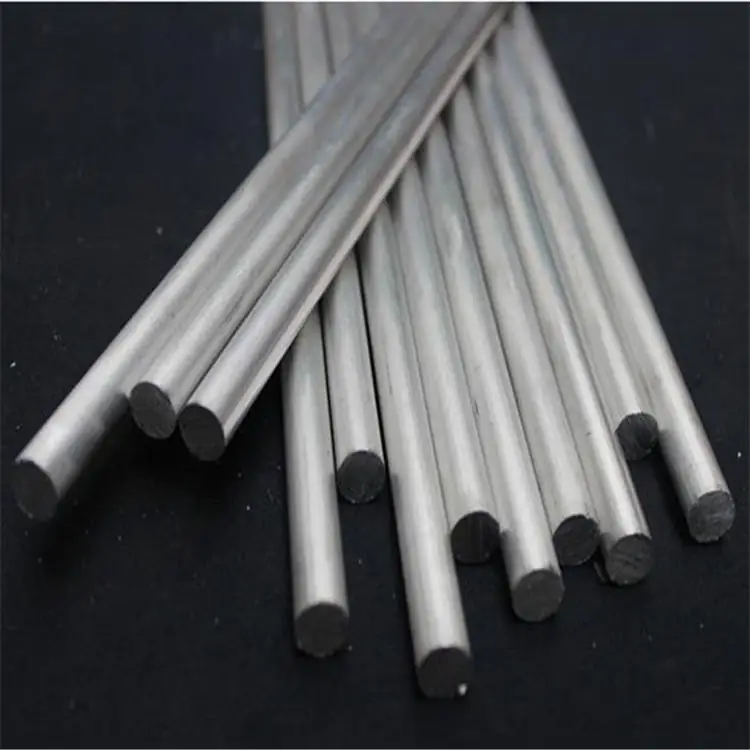
7075 aluminum alloy is an aluminum alloy with zinc as the main alloying element. It has excellent mechanical properties, showing good ductility, high strength, toughness and good fatigue resistance. Due to the presence of microsegregation, it is more brittle than many other aluminum alloys, but has significantly better corrosion resistance than 2000 alloys. It is one of the most commonly used aluminum alloys in high-stress structural applications and has been widely used in aircraft structural components.
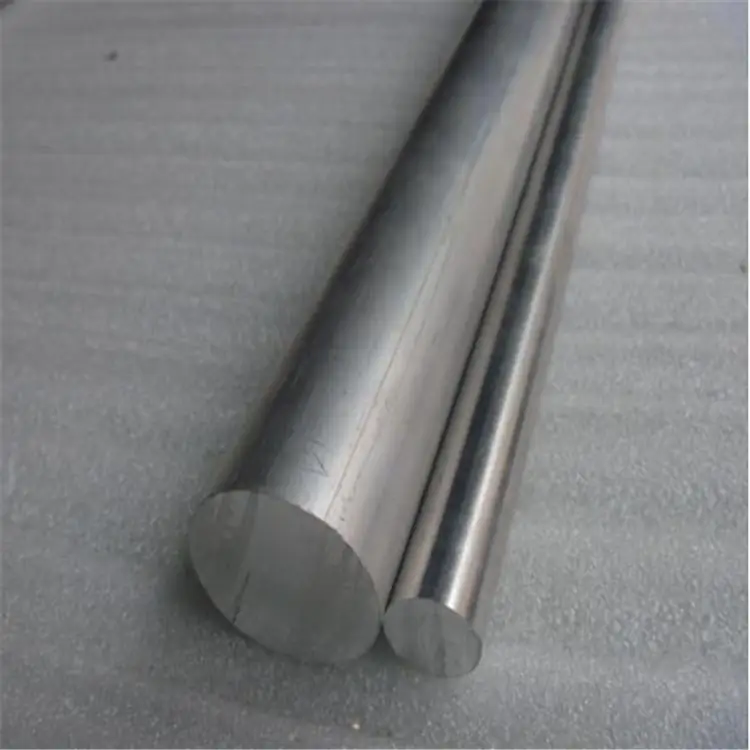
Among the various properties of 6061 aluminum, it is considered to be versatile, easy to process, and relatively inexpensive. It is used in aerospace engineering, aircraft and helicopters, screw machine parts, yachts and boats. It is also very suitable for tank bodies, bicycle frames, structural parts, food and beverage cans. You will also find that 6061 aluminum is often used in car chassis, truck frames, flashlights, fishing line wheels, pistol suppressors, cover plates and platforms, vacuum chambers, etc.
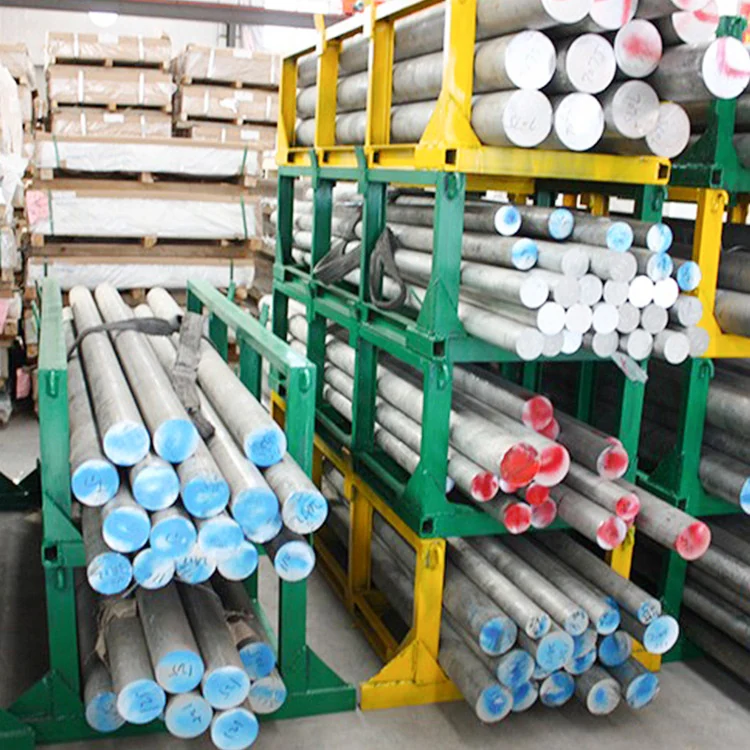
5083 aluminum is a non-heat-treatable alloy known for its resistance to extreme environments, including seawater corrosion and industrial chemicals. Although Al-5083 has limited machinability due to its strength, it is a material for marine and aquatic applications and is commonly used in the shipbuilding industry. Other uses for this alloy include transportation applications such as railroads, trucks, and car bodies, as well as pressure vessels and food processors.
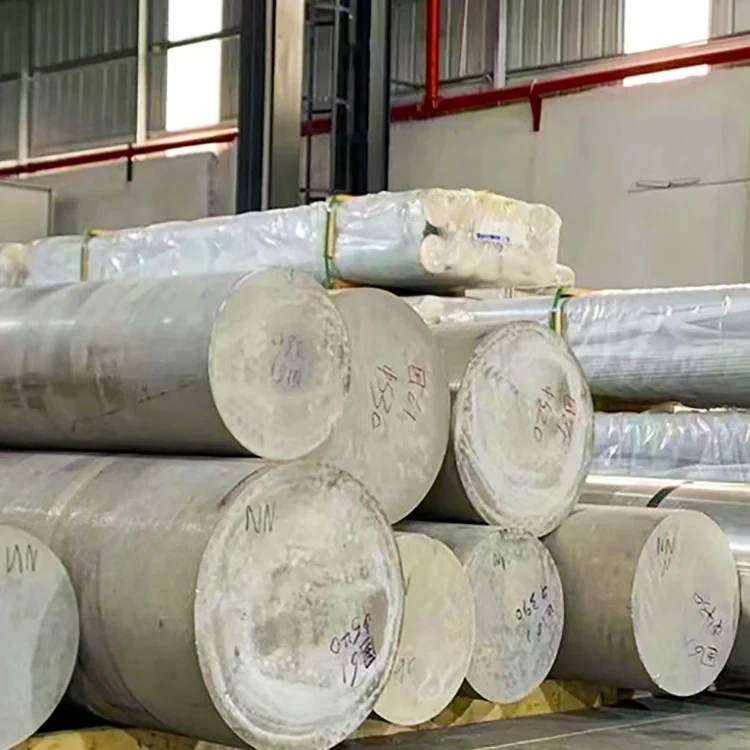
5083 aluminum is a non-heat-treatable alloy known for its resistance to extreme environments, including seawater corrosion and industrial chemicals. Although Al-5083 has limited machinability due to its strength, it is a material for marine and aquatic applications and is commonly used in the shipbuilding industry. Other uses for this alloy include transportation applications such as railroads, trucks, and car bodies, as well as pressure vessels and food processors.


Request Quote
We will contact you within one working day. Please pay attention to your email.